How to Prepare Boiler for Winter Properly
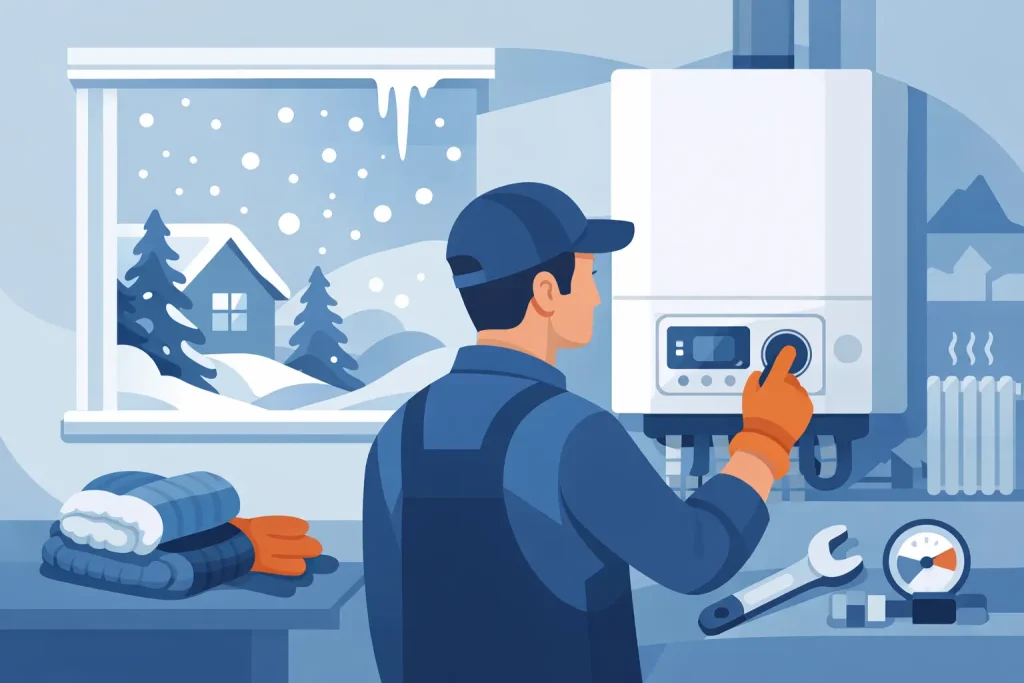
The first proper cold snap is usually when boiler problems show up. After months of barely being used, a system that seemed fine in summer can suddenly start losing pressure, making odd noises or refusing to fire up just when you need heating and hot water most. That is why knowing how to prepare boiler for winter is less about ticking a box and more about avoiding breakdowns, disruption and unnecessary cost.
A bit of preparation goes a long way. Some checks are straightforward for any homeowner or landlord to do, while others should always be left to a Gas Safe engineer. The key is being realistic about what you can safely inspect yourself and not waiting until the temperature drops to find out something has been missed.
Why winter preparation matters
Boilers work harder in winter, often cycling on and off far more frequently than they do through warmer months. That extra demand can expose issues that were already developing, such as worn components, poor circulation, sludge in the system or low system pressure. In many homes, the first sign is not a complete breakdown but patchy radiator heat, rising energy bills or a boiler that locks out intermittently.
For landlords, there is an added layer of responsibility. A heating issue is not just inconvenient for a tenant – it can become an urgent repair and a compliance concern if servicing and safety checks have been left too late. For homeowners, the main concern is usually keeping the house warm and the family comfortable without a last-minute scramble for repairs.
Preparing properly also helps efficiency. A boiler and heating system that are clean, correctly pressurised and running as they should will generally heat the property more effectively than one that has been neglected. It depends on the age and condition of the system, of course, but even small faults can waste heat and push up running costs.
How to prepare boiler for winter: start before it gets cold
The best time to check your boiler is early autumn, before engineers get booked up with emergency call-outs. If you wait until the first freezing week, you may end up competing with everyone else whose heating has failed at the same time.
Start by switching the heating on for a short test, even if you do not need it yet. Let the boiler run and bring the radiators up to temperature. Listen for anything unusual such as banging, gurgling or whistling. Check whether the boiler fires up promptly, whether the controls respond properly and whether all radiators are warming evenly.
This test will not diagnose every issue, but it will often flag the obvious ones. A radiator that stays cold at the top may need bleeding. A boiler that repeatedly loses pressure may point to a leak or a failing expansion vessel. If the heating takes longer than expected to warm up, that can suggest circulation problems or sludge in the system.
Check boiler pressure and controls
One of the simplest things to look at is the boiler pressure gauge. On many sealed systems, normal cold pressure is typically around 1 to 1.5 bar, though this can vary by manufacturer and setup. If it is too low, the boiler may not operate correctly. If it is too high, that can also indicate a fault.
If your pressure has dropped slightly, your boiler manual will normally explain how to top it up using the filling loop. That said, pressure that keeps falling is not something to ignore. Repeated topping up is not a fix – it is a sign the system needs to be checked properly.
Now look at your thermostat and timer settings. Summer programmes are often not suitable once colder weather begins. Make sure your heating schedule matches how the property is actually used. If you have a smart thermostat, check that it is responding correctly and not running outdated schedules. Poor control settings can make a sound boiler seem inefficient when the real issue is that the heating is simply not being managed well.
Bleed radiators and spot uneven heating
If some radiators are hot at the bottom and cool at the top, trapped air is often the cause. Bleeding radiators can improve heat distribution and reduce strain on the system. It is a basic maintenance step, but it needs to be done carefully, and you should recheck the boiler pressure afterwards because bleeding can lower it.
If radiators are cold at the bottom, that is a different story. It often points to sludge or debris in the system rather than air. In that case, bleeding alone will not solve it. A chemical clean, powerflush or filter check may be needed depending on the system condition. This is one of those areas where it depends – not every sluggish radiator means a full system clean, but repeated cold spots and dirty water are signs not to ignore.
Look for warning signs around the boiler
A visual check can tell you quite a lot. Look around the boiler casing and pipework for stains, drips, corrosion or signs of previous leaks. Check the condensate pipe, especially if it runs outside, as this can freeze in very cold weather and cause lockouts. Make sure external pipe insulation is intact and in good condition.
You should also pay attention to the flame only if it is visible through the inspection point and the appliance design allows this. A healthy gas boiler flame is typically blue. If you ever notice anything unusual, or you suspect fumes, turn the boiler off and get it checked immediately.
What you should not do is remove the casing or attempt internal repairs yourself. Gas appliances must be worked on by a qualified Gas Safe engineer. There is a clear line between sensible homeowner checks and unsafe DIY.
Book a proper boiler service
If there is one step that makes the biggest difference, it is arranging a thorough annual service before winter is in full swing. A proper service is not just a quick once-over. It should include detailed safety checks, combustion analysis where appropriate, internal inspection, cleaning of key components and checks across the wider heating system.
This matters because many faults are not visible from the outside. A boiler can still be running while developing issues with combustion, seals, ignition parts, condensate drainage or system circulation. Those problems often become much more obvious under winter demand.
For landlords, this is also the sensible time to line up annual gas safety certification and make sure records are in order. Leaving it late creates unnecessary pressure, especially if any remedial work is needed.
A careful service-led engineer will also look beyond the appliance itself. That includes checking radiators, controls, filters, system water quality and signs of wear that could lead to future breakdowns. We do not cut corners because rushed servicing is one of the main reasons faults get missed.
Do not forget the wider heating system
Knowing how to prepare boiler for winter properly means looking at the full heating system, not just the boiler. If your magnetic filter has not been cleaned, if your pump is struggling, or if the system water is dirty, boiler performance will suffer no matter how modern the appliance is.
If your home has been slow to heat for a while, if radiators need frequent bleeding, or if the boiler seems to cycle too often, ask for the system as a whole to be assessed. In some properties, especially older ones, winter issues are caused by a combination of smaller problems rather than one dramatic fault.
Controls are worth attention too. Upgrading to a better room thermostat or smart control setup can improve comfort and reduce wasted heating, but only if the rest of the system is fundamentally sound. Technology helps, but it does not compensate for poor maintenance.
What landlords should check before winter
Landlords have practical and legal reasons to stay ahead of winter boiler issues. Tenants need reliable heating and hot water, and minor problems can turn into emergency call-outs very quickly in colder weather. If a property has been empty between lets, it is especially sensible to test the heating fully rather than assuming all is well.
Check service dates, gas safety records, thermostat operation and general system performance before winter starts. If the tenant has reported slow heating, pressure loss or noisy radiators, deal with it early. These complaints are often early warning signs rather than one-off annoyances.
For managed properties and portfolios, consistency matters. Having a named local engineer who knows the properties, communicates clearly and carries out proper checks can save a lot of stress when the weather turns.
When to call an engineer straight away
Some issues should not wait. If the boiler is locking out repeatedly, losing pressure often, leaking, making loud unusual noises or failing to heat water properly, get it checked before winter demand increases. The same applies if radiators are heavily sludged, controls are unreliable or the appliance has not been serviced in over a year.
In West Lothian, where winter mornings can turn sharply cold, even a small heating fault can become a major inconvenience very quickly. Getting ahead of it is usually cheaper, safer and far less disruptive than dealing with a breakdown during the busiest part of the season.
A warm home in winter rarely happens by accident. It comes from small checks done at the right time, backed by proper servicing when it matters most.