
Your Guide to Magnetic Filter Installation
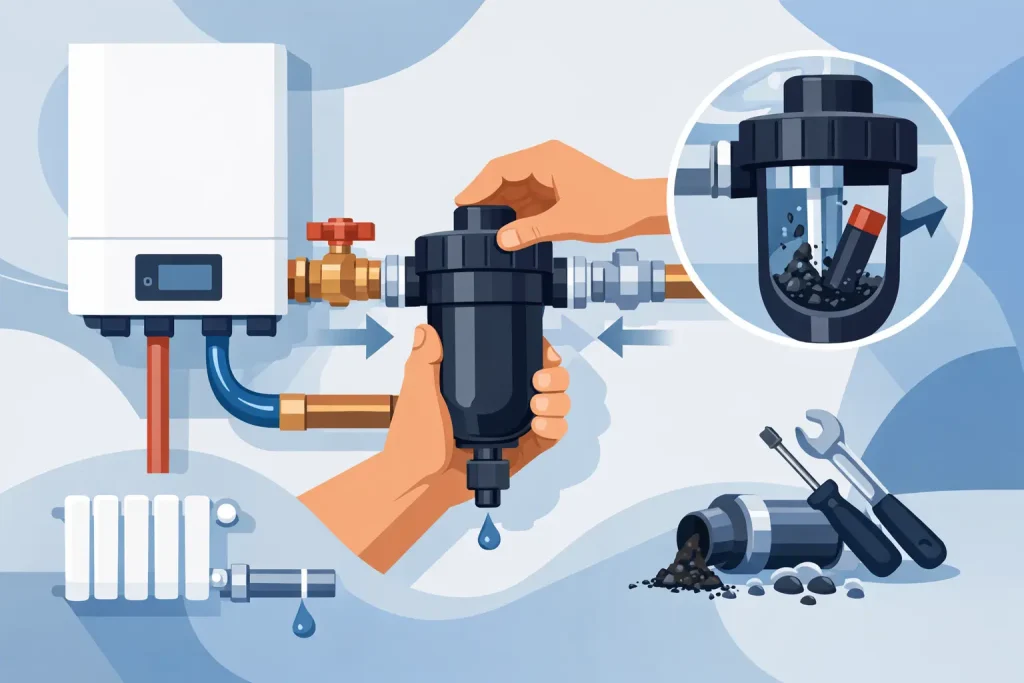
A magnetic filter is a small addition to a central heating system, but it can prevent a surprising amount of trouble. This guide to magnetic filter installation explains what the filter does, where it should be fitted, and why correct installation matters if you want to protect your boiler, radiators and heating performance.
For many households, the first sign of heating-system sludge is a cold patch on a radiator, noisy pipework, or a boiler that seems to be working harder than it used to. Those symptoms are easy to put off. However, debris circulating through the system can gradually restrict water flow and contribute to expensive component failures. A properly installed magnetic filter gives that contamination somewhere to collect before it reaches sensitive parts of the boiler.
What a magnetic filter actually does
Central heating systems contain water, metal components and oxygen. Over time, these conditions can create iron oxide, commonly called black sludge. This fine magnetic debris travels around the system and can settle in radiators, pipes, pumps, valves and the boiler heat exchanger.
A magnetic filter is fitted to the heating return pipe, usually close to the boiler. Inside, a powerful magnet attracts magnetic particles from the system water. Most quality filters also include a chamber that catches non-magnetic debris, such as limescale, grit and installation residue.
The result is cleaner circulating water. That helps maintain flow through radiators and reduces the risk of sludge building up in the boiler. It is not a cure for every fault, and it will not repair a badly blocked system on its own, but it is a sensible layer of ongoing protection.
Why magnetic filter installation is worth considering
Modern condensing boilers are efficient, but their internal waterways can be narrower and more sensitive to contamination than older appliances. When debris reaches the heat exchanger or pump, the boiler may become less efficient, noisier, or more prone to fault codes and breakdowns.
A filter can be particularly worthwhile if your home has an older heating system, recurring cold radiator spots, frequent pump or valve issues, or a replacement boiler connected to existing pipework. It is also a good preventative measure for a newer system. Keeping the system water clean from the beginning is easier than dealing with years of sludge later.
For landlords, a filter is not a substitute for annual gas safety duties or boiler servicing. It can, however, help reduce avoidable heating issues between inspections and support a better-maintained property.
Signs your system may already contain sludge
No single symptom proves that sludge is present, but several together are a good reason to arrange a heating inspection. Look out for radiators that are warm at the top but cold at the bottom, dark water when a radiator is bled, regular boiler pressure problems, banging or kettling noises, and rooms that take a long time to warm up.
An engineer can assess whether fitting a filter is enough or whether the system needs cleaning first. This depends on the condition of the water, the age of the system and the level of restriction found. Fitting a filter to a heavily contaminated system without addressing the existing sludge can mean it fills quickly and does not deliver the full benefit.
Where should a magnetic filter be fitted?
The usual position is on the return pipe to the boiler. This is the pipe carrying cooler water back from the radiators before it enters the boiler again. Installing the filter here allows it to capture debris before the water passes through the boiler’s pump and heat exchanger.
The exact location depends on the pipe layout, available space, the boiler manufacturer’s guidance and access for future servicing. A good installation is not just about finding a convenient section of pipe. The filter needs to be secure, correctly orientated and easy to isolate, remove and clean.
Access matters more than people expect. A filter tucked into an awkward cupboard corner may be difficult to service properly. The engineer should leave enough clearance to remove the magnet and flush the collection chamber without unnecessary disruption to surrounding pipework or fittings.
What happens during magnetic filter installation?
Although different makes of filter have different fittings and valves, the process should follow the same careful principles. The heating system is turned off, allowed to cool where necessary and isolated before pipework is altered. Water is drained from the relevant section, then the filter is fitted in the correct flow direction.
Once installed, the system is refilled, pressurised and checked thoroughly for leaks. Air is removed where required, and the boiler and heating controls are tested to make sure the system circulates correctly. The engineer should also check that the filter’s isolation valves operate properly, because these are needed for safe, clean servicing later.
If the system water is visibly dirty, the job may include or lead to a recommendation for a chemical clean, powerflush or other appropriate cleaning method. There is no one-size-fits-all answer. A relatively clean, modern system may only need inhibitor added after installation, while an older system with poor circulation may need more extensive work first.
Why this is not a DIY job
A magnetic filter may look straightforward, but it is connected to a sealed, pressurised heating system and often installed close to the boiler. Incorrect pipework, poor sealing, inadequate repressurising or failure to remove air can cause leaks, loss of heating performance and boiler faults.
Work that affects boiler pipework also needs to be approached with care. While a filter itself is not a gas component, the surrounding installation must be completed safely and without compromising the appliance, condensate pipework, electrical connections or clearances. A qualified heating engineer can assess the full system rather than simply fitting a part and leaving.
Cleaning and maintaining your magnetic filter
A magnetic filter only works well if it is cleaned. The captured debris does not disappear, so the magnet and collection chamber need regular attention. For most homes, cleaning during the annual boiler service is a sensible approach. Systems with known contamination may need an earlier check after installation.
During cleaning, the filter is isolated, the magnet is removed and the collected debris is flushed away. The engineer checks seals, valves and the condition of the unit before returning it to service. They may also test the water and confirm whether inhibitor levels are adequate.
This is one reason a thorough boiler service matters. Basic checks alone may miss the wider condition of the heating system. Looking after the filter, system water and boiler together offers better long-term protection than treating each item in isolation.
Choosing the right filter for your home
The best filter is not always the largest or most expensive model. It needs to suit the pipe size, system layout and available installation space. Build quality, ease of servicing, valve arrangement and the ability to capture both magnetic and non-magnetic debris are all worth considering.
For a small flat with a compact boiler cupboard, physical access may be the deciding factor. For a larger family home with older radiators, a high-capacity filter and a proper system clean may make more sense. If you have recently had a boiler fitted, check whether the manufacturer has specific water-treatment or filter requirements that could affect warranty support.
An honest engineer should explain what is being recommended, why it suits your system and whether any additional cleaning is genuinely needed. Clear advice upfront is preferable to discovering later that a filter has been installed where it cannot be maintained properly.
A small preventative measure with real value
A magnetic filter will not replace professional servicing, repair an existing boiler fault or make poorly balanced radiators perform perfectly. What it can do is reduce the amount of damaging debris moving around your heating system every day.
For homeowners and landlords in West Lothian, that means a practical opportunity to protect a major household investment and reduce the likelihood of avoidable disruption. At Boiler-Serv, the focus is on fitting and maintaining heating-system protection properly, with the checks and explanation needed to keep you and your family safe and warm.