Gas Safety Check Tenants: What to Expect
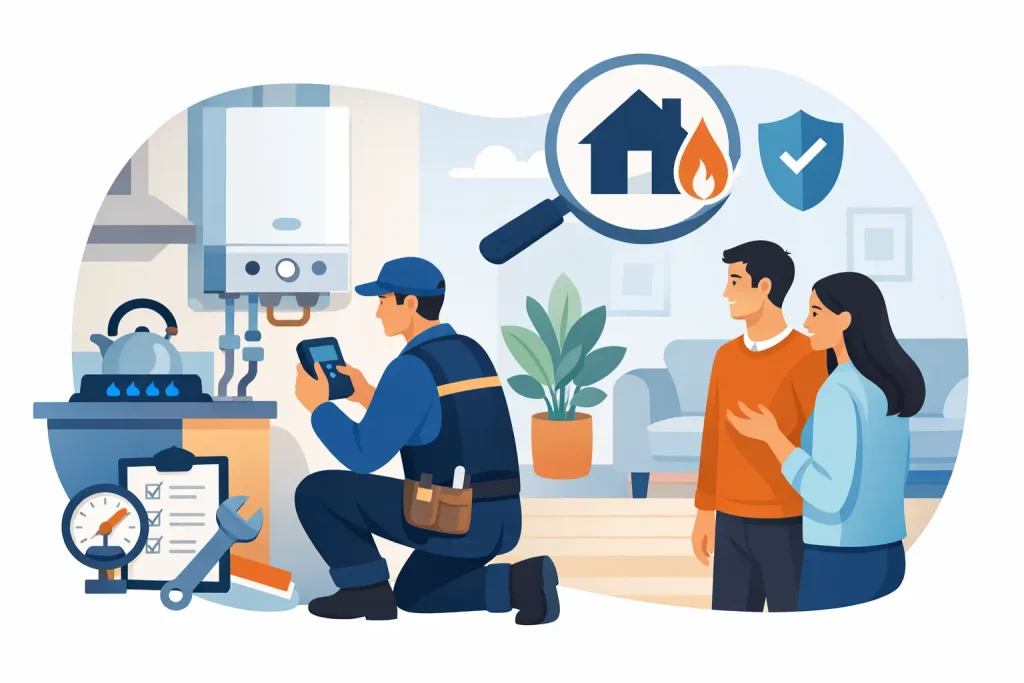
A gas safety check tenants can rely on is not just a quick signature on a form. It is a legal annual inspection of the gas appliances, pipework and flues a landlord provides, carried out to help prevent gas leaks, fires, explosions and carbon monoxide exposure. For tenants, it should mean reassurance that the heating and hot water system in their home has been checked properly by a qualified Gas Safe engineer.
If you rent a home in West Lothian, you do not need to be a boiler expert to know when something is not right. A boiler that repeatedly loses pressure, a yellow or lazy-looking flame, black marks around an appliance, or a carbon monoxide alarm sounding all deserve prompt attention. The annual safety check is an essential safeguard, but tenants should report concerns as soon as they arise rather than waiting for the next appointment.
Who arranges a gas safety check for tenants?
In most rented homes, the landlord is responsible for arranging an annual gas safety check for gas appliances, flues and associated pipework they supply. The work must be completed by an engineer registered with Gas Safe for the type of appliance being inspected. A landlord cannot simply rely on a general handyman, an old service receipt or a tenant saying that the boiler seems to be working normally.
The landlord should ensure the check is completed before a new tenant moves in and then at least every 12 months. They must provide the tenant with a copy of the gas safety record, usually within 28 days of the inspection. New tenants should receive the current record before they move in.
A gas safety record is often called a landlord gas safety certificate, although the document is technically a record of the inspection. It confirms what was checked, identifies any defects or warning notices, and shows whether action is needed. Keep it somewhere safe with your tenancy paperwork. It can be useful if a problem develops later or if you need to show that a fault was reported.
What the engineer should inspect
A proper landlord gas safety visit is about much more than looking at the front of the boiler. The precise checks depend on the appliances in the property, but the engineer will inspect the installation and test whether it is operating safely.
For a typical gas boiler, this can include checking the appliance is correctly installed, inspecting the flue and ventilation, testing for safe combustion, checking the gas pressure or gas rate where appropriate, and confirming that safety devices are working as intended. The engineer will also look for signs of leaks, damage, poor flueing and unsafe operation.
Gas fires, cookers, hobs and other landlord-supplied gas appliances may also need checking. The engineer will assess whether they are burning gas correctly and whether products of combustion can escape safely. Shared gas installations and communal systems can make the position more complex, but a landlord still needs to make sure their responsibilities are being met.
There is a worthwhile distinction between a gas safety check and a detailed boiler service. A safety check confirms whether the appliance is safe at the time of inspection. A thorough service goes further, with cleaning, internal component checks and maintenance designed to support reliable and efficient operation. Some landlords choose to combine both, which can make practical sense, particularly for an older boiler or a property with a history of breakdowns. The exact work should be clear before the appointment – no shortcuts and no vague promises.
What tenants need to do before the visit
Tenants are not normally responsible for booking or paying for the landlord’s annual check, but access matters. The engineer needs to reach the boiler, gas meter, appliances and relevant flue routes safely. If the boiler is in a cupboard, remove stored items that block the case or controls before the appointment. If a gas fire is behind furniture, make reasonable space for inspection.
It is also helpful to tell the landlord or engineer about anything you have noticed. Mention intermittent hot water, unusual noises, boiler lockouts, smells, stains around an appliance, a damaged flue terminal, or a carbon monoxide alarm that has activated. A fault that only happens occasionally may not be obvious during a short visit, so your observations can be valuable.
You should be given reasonable notice and an appointment should be arranged around access where possible. Landlords do have a duty to keep gas installations safe, and tenants should cooperate with sensible attempts to arrange the check. Repeatedly refusing access can delay essential safety work. That said, a landlord or contractor should not treat an annual inspection as permission to enter without agreement, except where there is a genuine emergency.
If you cannot make the original appointment, contact the landlord or letting agent promptly and offer alternatives. Do not leave it until the check is overdue. A quick conversation can prevent missed visits, unnecessary call-out charges and a stressful scramble to meet the annual deadline.
If the engineer finds a problem
Not every issue means you will be left without heating. Some faults can be repaired straight away, while others require a return visit or replacement part. Where an appliance is unsafe, however, the engineer must take appropriate action. This may mean switching it off, disconnecting it or applying a warning label so it cannot be used until repairs have been completed.
That can be inconvenient, especially in colder weather, but it is the right outcome if there is a risk to the household. Never reconnect or use an appliance that has been labelled unsafe. Ask the landlord how and when the repair will be handled, and keep a written record of reports and appointments if the issue is not resolved promptly.
If the boiler is condemned or needs to be turned off, the landlord should consider the practical impact on the household. The appropriate response depends on the fault, the weather, who is living in the property and how long a repair will take. Families with young children, older residents or anyone with a health condition may be particularly affected by loss of heating or hot water.
A competent engineer should explain the issue in plain language: what has been found, why it is unsafe, and what work is needed next. Clear communication matters. Tenants should not be left trying to interpret a technical warning label without guidance.
Tenant-owned appliances and shared responsibilities
The position can differ if you own the gas appliance yourself, such as a cooker you brought into the property. A landlord’s annual duty generally covers the gas appliances they provide, while the tenant should make sure their own appliance is installed, maintained and used safely. The landlord still has responsibilities for the property’s gas supply and relevant pipework, but it is sensible to tell them about any tenant-owned gas appliance.
Do not attempt to fit, alter or disconnect a gas appliance yourself. Even seemingly small changes can affect pipework, ventilation or the safe operation of the appliance. Use a suitably qualified Gas Safe engineer and obtain permission from the landlord where your tenancy agreement requires it.
Carbon monoxide alarms are another vital part of household safety. They are not a replacement for servicing or an annual inspection, but they provide an early warning if dangerous carbon monoxide is present. Test alarms as instructed, do not cover them, and report a missing, damaged or repeatedly sounding alarm straight away. If an alarm sounds and you suspect carbon monoxide, get everyone into fresh air, seek urgent advice and do not re-enter until it is safe to do so.
Signs that should never wait for the annual check
A gas safety check is scheduled annually, but gas concerns need immediate action. Switch off the appliance if it is safe to do so, avoid using switches or naked flames if you can smell gas, ventilate the area where appropriate, and seek emergency help from the gas network or emergency services where there is an immediate danger.
Contact the landlord or letting agent promptly too, but do not wait for a reply before dealing with a suspected gas leak or carbon monoxide risk. Symptoms such as headaches, dizziness, nausea, breathlessness or confusion can have many causes, but they should never be ignored where a gas appliance may be involved. Get into fresh air and obtain medical advice if anyone feels unwell.
For less urgent issues, early reporting still protects you. A boiler that is making banging noises or cutting out may be repairable before it becomes a complete breakdown. Reporting it also gives the landlord and engineer a clearer history to work from at the next visit.
A safer, less stressful tenancy
The best gas safety checks are straightforward because the landlord, tenant and engineer all communicate clearly. The landlord arranges a qualified engineer, the tenant provides access and reports concerns, and the engineer carries out proper checks rather than rushing through the job. The paperwork then confirms what was found and what, if anything, must happen next.
At Boiler-Serv, landlord gas safety work is approached with the same care as work in an owner-occupied home: appliances and safety controls deserve a thorough inspection, not a box-ticking exercise. For tenants, the practical step is simple: keep your gas safety record, allow access for the annual visit, and speak up the moment your boiler or gas appliance gives you cause for concern. That is how small issues are dealt with before they put your home, comfort or safety at risk.